
Understanding Psoriasis and Its Symptoms
- posted: Feb. 26, 2026
At Metro Dermatology, we believe that managing psoriasis begins with understanding the condition. Psoriasis is a chronic autoimmune disease driven by an overactive immune response that triggers an inflammatory cascade in the body. This inflammation leads to the visible skin changes associated with psoriasis and can affect more than just the skin. Although psoriasis is not contagious, it is a long-term condition that often cycles between flare-ups and periods of improvement.
Common Psoriasis Symptoms
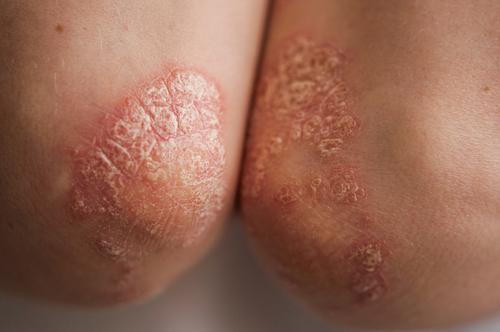
Psoriasis symptoms vary depending on the type and your individual skin tone. The most common form, plaque psoriasis, typically appears as:
- Raised, red or pink patches of skin
- Thickened areas covered with silvery-white scales
- Itching, burning, or tenderness
- Dry, cracked skin that may bleed
- Thickened, pitted, or discolored nails
Psoriasis most often affects the elbows, knees, scalp, and lower back, but it can develop anywhere on the body, including the face, hands, feet, and nails.
Symptoms may flare for weeks or months and then improve before returning again.
Psoriasis Is More Than a Skin Condition
Psoriasis is a systemic inflammatory disease, meaning it can affect more than just the skin. Up to 30% of individuals with psoriasis may develop psoriatic arthritis, a related condition that causes:
- Joint pain
- Stiffness, especially in the morning
- Swelling in the fingers, toes, or other joints
Early diagnosis and treatment are important to help reduce inflammation and prevent potential joint damage. At Metro Dermatology, we evaluate both skin and joint symptoms to provide comprehensive care.
Common Psoriasis Triggers
While genetics and immune system activity play a central role, certain environmental factors can trigger or worsen psoriasis flare-ups. Common triggers include:
- Emotional stress
- Skin injuries (cuts, scrapes, or severe sunburn)
- Infections
- Certain medications
- Cold, dry weather
Identifying your personal triggers is an important step in managing psoriasis effectively. Our team works closely with patients throughout NY and NJ to develop customized treatment plans designed to minimize flare-ups and maintain clearer skin.
Psoriasis Treatment Options in NY and NJ
There is currently no cure for psoriasis, but many effective treatment options are available. At Metro Dermatology, we provide evidence-based therapies tailored to the severity and type of psoriasis, including:
- Prescription topical medications
- Light therapy (phototherapy)
- Oral systemic medications
- Advanced biologic therapies that target specific immune pathways
With the right treatment plan, many patients achieve significant symptom relief and long-term control.
Schedule a Psoriasis Consultation
If you are experiencing persistent scaly patches, itching, nail changes, or joint discomfort, a professional evaluation can help determine the most appropriate treatment options.
Call Metro Dermatology at (718) 886-9000 to schedule an appointment at one of our NY or NJ offices.
Medical Offices
-
220 E 161 St, Bronx, NY 10451
Phone: (718) 886-9000
-
40-12 80th St, Queens, NY 11373
Phone: (718) 886-9000
-
144-72 Northern Blvd # 203, Queens, NY 11354
Phone: (718) 886-9000
-
119 E Fordham Rd, Bronx, NY 10468
Phone: (718) 886-9000
-
2175 Lemoine Ave 6th Floor, Fort Lee, NJ 07024
Phone: (201) 886-9000
-
257-07 Union Tpke, Glen Oaks, NY 11004
Phone: (718) 886-9000
Cosmetic Offices
-
220 E 161 St, Bronx, NY 10451
Phone: (718) 551-0047
-
40-12 80th St, Queens, NY 11373
Phone: (718) 551-0047
-
144-72 Northern Blvd # 202, Queens, NY 11354
Phone: (718) 551-0047
-
2175 Lemoine Ave 6th Floor, Fort Lee, NJ 07024
Phone: (718) 551-0047
-
257-07 Union Tpke, Glen Oaks, NY 11004
Phone: (718) 551-0047
